


Menopause can feel like an emotional rollercoaster ride that’s impossible to get off.
One minute you're calm, the next, you're snapping at your partner over the simplest thing ... in fact, nobody is safe! 🤣
Feeling edgy and irritated? You're not alone. Many women in leadership roles who are used to being in control find this change frustrating.
But remember, you're not powerless.
You can maintain your cool and keep your connections strong! It's just a matter of how.
Understanding Triggers: What Sets You Off?
To manage those mood swings, let’s look closer at what triggers them.
Common culprits might be stress from high-pressure job roles, fatigue, or even specific foods. Even certain drinks can affect your nerves , especially ones containing alcohol.
TIP: Take a notepad and for a few days, jot down moments when you feel irritation rising.
Is there a pattern?
Did a certain event or discussion set you off?
Recognising these patterns is a first step towards taking back control.
Another thing to consider is biology. Hormonal shifts can make tiny annoyances seem like huge problems.
Remember, it's okay to feel this way, but knowing what pushes your buttons can help you manage your responses better.
Strategies for Managing Stress
Once you've pinpointed what stresses you out, it's all about finding ways to de-stress.
Simple breathing exercises or an evening stroll can make a world of difference.
When tension builds at work, take a 5-minute break. Step away from your desk and stretch ... seriously, try it.
This isn't just about calming down; it’s about creating space between the stress and your reaction to it.
A big help is mindfulness. It can often sound a bit woo woo, but it does work and it's worth delving into some guidance online.
Apps and resources like Headspace or Calm provide guided sessions that ease tension and help in managing the daily grind.
Just a few minutes a day is all it takes, it can do wonders.
Diet also plays a role. Too much caffeine or sugar can amp up feelings of stress.
Stick to balanced meals that won't spike your energy levels. There is plenty of guidance available in my free starter pack
Feeling tired or anxious can make small issues grow larger than they are.
And don't forget about friend support – sometimes just talking about what you're going through can lessen the load.
Talking It Out: Communicating with Loved Ones
Having open conversations with partners, family, and friends about menopause and relationships is crucial.
Your mood isn't just yours to handle alone. Loved ones can help if they understand what you're dealing with. And that's the point, they need to understand, and communicating with them is the only way I know to help them with that.
So, choose a calm moment to speak about what’s happening with you.
Be honest about your feelings and let them know how they can support you.
Partners may worry they're the cause of your irritation.
Reassure them it’s not always personal, and share simple ways they can help.
For instance, suggest they give you some space when needed or join you for a calming activity.
Sharing your journey makes it easier for others to walk along with you.
A Little Empathy Goes a Long Way
Patience and understanding are key.
While you’re figuring this all out, don't forget to cut yourself some slack.
And ask for the same from those around you.
Education can be empowering when it comes to menopause and marriage.
Encourage your partner to read up on menopause support or attend workshops together. There are some great books out there including:
1. "The Menopause: The Answers" by Dr. Rosemary Leonard
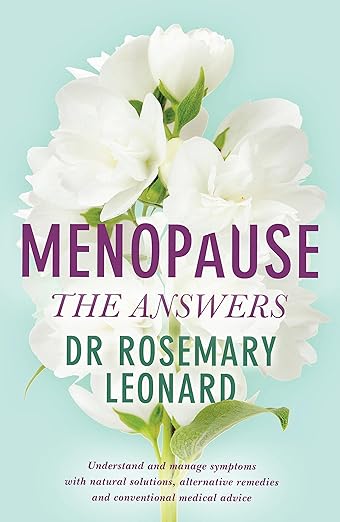
This comprehensive guide by a leading UK GP covers everything partners need to know about menopause, including its symptoms, emotional effects, and how it can impact relationships. It provides practical advice on navigating challenges as a couple.
2. "Men... Let’s Talk Menopause" by Ruth Devlin
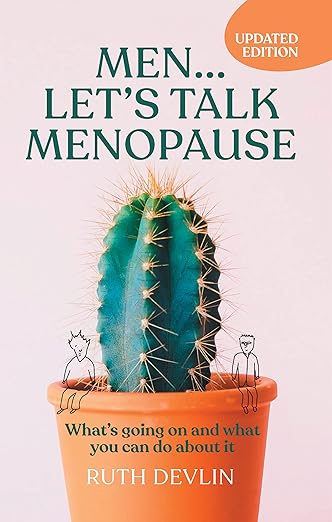
Specifically written for men, this book provides a straightforward explanation of menopause, focusing on how it affects women physically and emotionally. It’s a great tool for partners wanting to understand the changes and how they can be supportive.
3. "Menopause: The Change for the Better" by Deborah Garlick
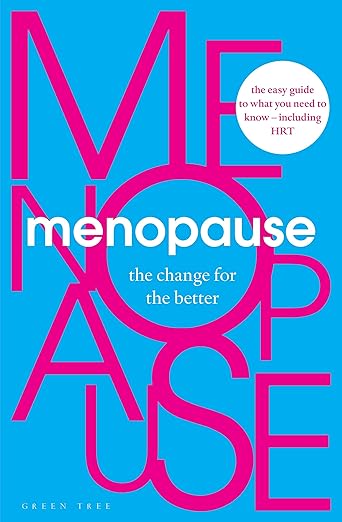
A UK-specific guide that focuses on the positives of menopause, helping couples navigate the emotional and physical shifts with optimism. Garlick includes helpful insights on how partners can offer support and maintain a strong relationship through this time.
The more they know, the better they'll be able to support you!
This knowledge builds a bridge over any emotional gaps that may arise.
In this part of your journey, you're not alone.
Understanding what you're experiencing and taking positive steps will keep those important relationships intact.
Menopause might be unavoidable, but with the right tools you can tackle its emotional swings without sacrificing the bonds that matter most.
Impact on Intimacy and Libido: Keeping Connections Strong
Menopause changes don't just affect mood, they can also impact your romantic life.
Many women notice a drop in libido or experience discomfort during intimacy.
These changes can create distance in relationships if not addressed.
So, how do you maintain closeness?
First, communicate openly about these changes with your partner.
It’s essential to have honest discussions about what you’re comfortable with and explore different ways to connect emotionally and physically.
Sometimes, focusing on intimacy without the pressure of sex can build a stronger bond.
Consider activities like massages or sharing hobbies, which can bring you closer.
Medical or therapeutic support is also available. Talking to a healthcare professional about symptoms can lead to solutions.
Therapies or products designed for menopause can ease discomfort, helping you maintain a fulfilling relationship.
And let’s not ignore the emotional side. Feeling loved and desired is just as important.
Make sure to share your needs and listen to your partner’s as well.
Needing Extra Support: Building a Safe Environment
During menopause, you might feel like you need more understanding and patience than before.
Hot flushes, fatigue, shifting moods. They all make it hard to be the person who holds everything together.
Normalising the need for support is crucial.
Help those around you understand your experiences and how they can assist.
Share articles, watch documentaries together, or simply talk about your day-to-day struggles. Normalise it all.
Creating a supportive environment involves educating those close to you about menopause stress relief.
Partners, friends, and family can then offer more empathy when you need it.
This doesn’t mean you expect them to solve your problems – sometimes, knowing they understand is enough.
It’s about creating an atmosphere where it’s okay to need a bit more affection, understanding, or space.
Self-Esteem and Confidence: Embracing Yourself
Menopause can make you unsure about the way you look or feel.
Maybe it’s a bit of weight gain or a change in your hair – these things can dent confidence.
It’s vital to practise self-compassion and recognise that these changes don't define you.
Love and accept your body for its strength and resilience.
Engage in activities that make you feel good, whether it’s yoga, a creative hobby, or simply spending time with friends.
Keep an open line with loved ones about any insecurities you’re feeling - talk about it!
Often, a little reassurance from those we care about strengthens self-worth.
Consider joining support groups where you can share your experiences with women going through similar changes.
Feeling connection in shared experiences can be uplifting.
By nurturing yourself emotionally and physically you bolster your self-esteem and approach menopause with more confidence.
Overcoming Communication Barriers: Clarity in Connection
Changes in your mind and emotions might make discussing what you’re going through difficult.
Brain fog can make expressing yourself a struggle.
Communication in menopause is crucial for expressing needs and tackling challenges together.
Create a safe, judgement-free space to share emotions and thoughts.
Let your partner and loved ones know when you have difficulty articulating your feelings.
They can help by listening without offering solutions unless you ask for them.
Journaling is a tool that helps clarify thoughts.
Spend a few minutes writing down your daily highs and lows.
This method not only soothes but helps you recognise patterns and address specific feelings directly and clearly.
By practising patience and understanding, everyone benefits – communication remains open and honest.
Evolving Social Priorities: Changes in Interests
As you go through menopause, your social life might shift, I know mine did. Add into that kid complexity and for me things changed dramatically.
Previously engaging activities may no longer interest you.
It’s helpful to reflect on what really brings you joy now.
Be upfront with friends and family about your evolving preferences ... it's reallt important that they know.
Let them know if you need more solitude or wish to explore new experiences.
Such adjustments may be as simple as opting for quieter dinners instead of bustling events.
Partners and friends should respect and accommodate these changes, making efforts to keep connections meaningful. If they don't, I'm sorry to say it could be time for goodbye. I've lost a number of friends through menopause and starting on this journey with BTM. People priorities and alliances change and you know what? It's ok!
Keeping lines of communication open ensures understanding and allows relationships to be flexible as your priorities change.
These shifts are natural; embrace them with openness and excitement for what they bring to your life.
No doubt, menopause brings changes, but it also offers the chance to strengthen ties with those around you.
With empathy and willingness to adapt, both you and your relationships can thrive through these transitions.
Finding the Right Support: Your Network is Key
Navigating menopause isn't something you have to do alone.
A solid support network makes all the difference.
Start with healthcare professionals who understand menopause and can offer tailored advice.
Your GP, a therapist, or menopause specialist can provide guidance and resources that suit your needs.
Friends and family play crucial roles too. Share your experiences and lean on those willing to offer empathy and help.
You might even consider finding or joining a support group or a specialist service like BTM 😉
Communities connect you with women who understand what you're going through, because they are too. They provide a shared sense of experience and resilience.
Online forums and local groups often provide helpful advice and empathetic listening ears. Just be careful not to get in too deep or be tempted to listen to wallowers!
Looking After Yourself: Embrace Self-Care
Remember the saying “you can’t pour from an empty cup”?
This is especially true during menopause.
Make self-care a priority.
It might look like carving out time for hobbies, ensuring you get enough rest or indulging in activities that calm your mind and body.
Exercise is a great tool for stress relief.
Regular workouts release endorphins, boosting mood naturally.
You don't need to run a marathon – even a simple walk, yoga session, or dance class can do wonders for emotional wellbeing.
Diet matters too. Nourishing your body with healthy foods supports both physical and emotional health.
Drink plenty of water and opt for balanced meals rich in nutrients.
Avoid excessive caffeine and sugar as they can heighten anxiety and mood swings.
My BTM programme provides full guidance on nutrition and how it's different for women over 40 and experiencing menopause symptoms.
New Chapters: Embracing Change as an Opportunity
Menopause means big changes but can also signal new beginnings.
Use this time to explore interests that may have been on the back burner.
Perhaps you want to learn something new or travel to places you've always dreamed of visiting.
Viewing menopause as an opportunity to focus on personal growth can transform perspective.
See this time as a chance to redefine relationships, finding joy in newfound experiences that align with who you are now.
Take this opportunity to reconnect with what makes you truly happy, and do not shy away from pursuing dreams that sit close to your heart.
It's not just about managing symptoms, but discovering and adapting to this new phase with curiosity and passion.
Staying Connected: Tips to Keep Relationships Strong
Engagement with loved ones is crucial to maintaining strong relationships.
Regular check-ins with your partner, friends, and family ensure you stay involved in each other's lives.
Plan simple activities that you enjoy together, like dinner nights or small day trips.
This keeps the connection vibrant and meaningful.
Diversify the ways you show affection – sometimes, a thoughtful surprise or a handwritten note can convey much love and care.
And remember, laughter is a fantastic healer.
Share moments of joy, humour and lightness to combat any heaviness that may arise from menopausal changes.
Relationships blossom when nurtured with understanding, love, and shared experiences.
Final thoughts ...
Menopause is a natural, powerful transition that can reveal strength and resilience you didn't know you had.
By focusing on understanding and communication, you can maintain and enhance your relationships and emotional health.
Lean on your support network, prioritise self-care and welcome this phase of life with open arms.
Each step you take with positivity and self-awareness can bring about more fulfilment and joy.
Thank you for joining this series on understanding menopause and relationships.
So, what’s next …
Ready for more personalised guidance or want to dive deeper? Check out the fantastic resources available at Beat The Menopause.
I’d love to work with you in tackling the issues you face, allowing you to get back to where you are and live the amazing life you’ve worked so hard for.
Don’t let symptoms kill things for you, it doesn’t have to a be a suffer in silence situation, leading to leaving your position.
Contact me via the site, or better still apply to work 1:1 with me.
Lea x